Die Planung eines Containerhausprojekts kann komplex sein. Kleine Fehler führen oft zu kostspieligen Verzögerungen. Wenn Sie diese wichtigen Punkte im Voraus beachten, stellen Sie sicher, dass Ihr Projekt reibungslos verläuft und im Budget bleibt.
Vor Baubeginn sollten Käufer wissen, dass die Projektnutzung das Produkt bestimmt, lokale Vorschriften unerlässlich sind und die Raumaufteilung wichtiger ist als das Aussehen. Sie müssen außerdem versteckte Transportkosten und Installationsaufwand berücksichtigen.klimaspezifische Isolierung,langfristige Materialkosten, Risiken bei der Anpassung, Zuverlässigkeit der Lieferanten und warum das günstigste Angebot nicht immer das beste ist.
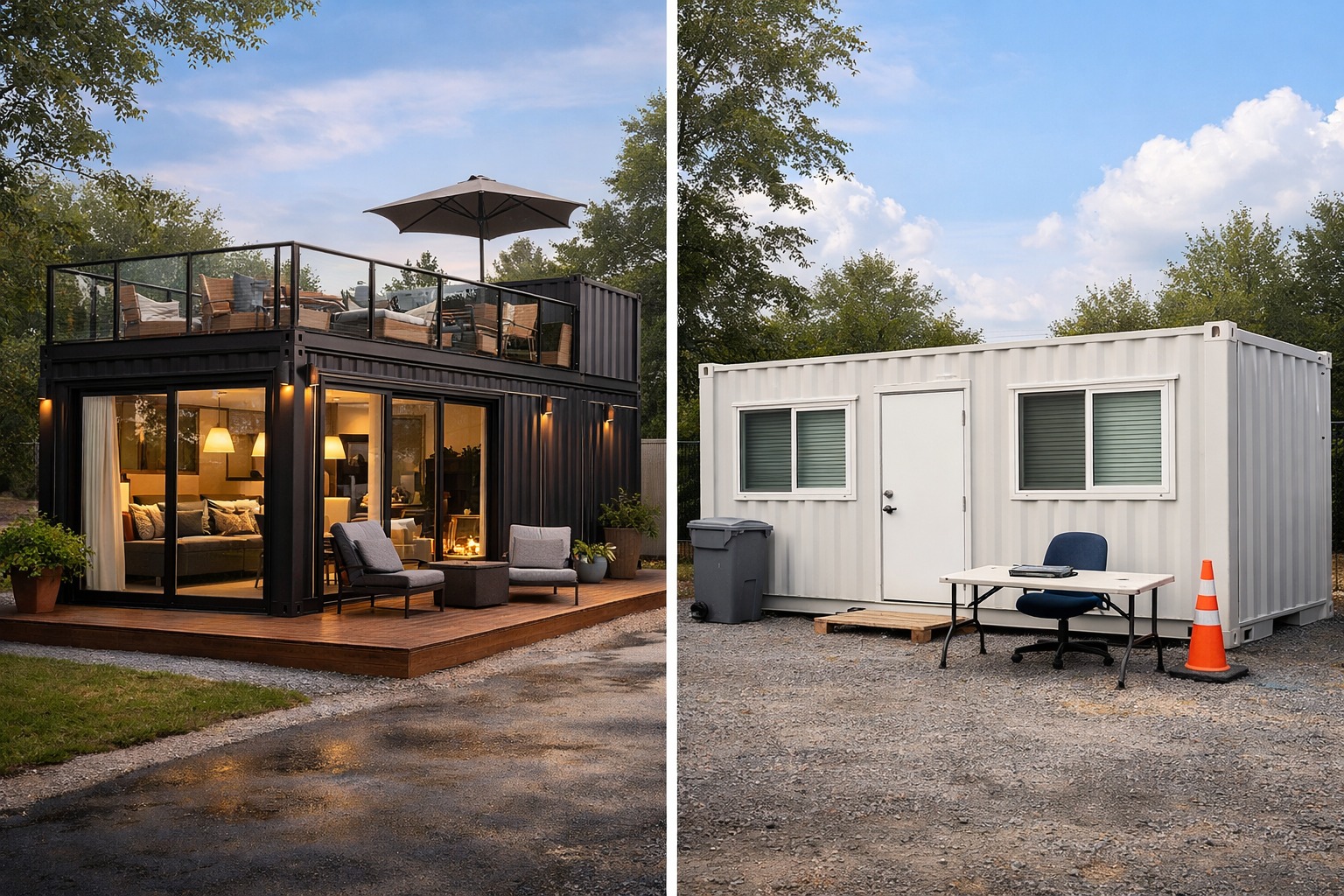
Ich habe im Laufe der Jahre mit Hunderten von Käufern gesprochen. Viele kommen begeistert zu uns, weil sie ein Bild online gesehen haben und genau dieses Modell kaufen möchten. Doch ich habe gelernt, dass ein erfolgreiches Projekt weit mehr erfordert als nur ein ansprechendes Design. Es geht darum, von Anfang an die Details richtig zu gestalten. Lassen Sie uns diese zehn Punkte einzeln betrachten, damit Sie fundierte Entscheidungen treffen und die Fehler vermeiden können, die schon viele andere gemacht haben.
Definiert der Verwendungszweck wirklich den Container, den Sie benötigen?
Sie haben online ein cooles Containerhaus gesehen und möchten es für Ihr Projekt verwenden? Bedenken Sie jedoch, dass eine Ferienhütte andere Anforderungen stellt als ein Pop-up-Shop. Die falsche Wahl ist Geldverschwendung.
Ja, absolut. Der Zweck Ihres Projekts – sei es ein Resort, ein Büro oder ein Café – bestimmt die notwendige Struktur, die Materialien und die Raumaufteilung. Ein standardisierter Ansatz funktioniert selten. Sie müssen das Produkt an den jeweiligen Anwendungsfall anpassen, um Funktionalität und langfristigen Erfolg zu gewährleisten.
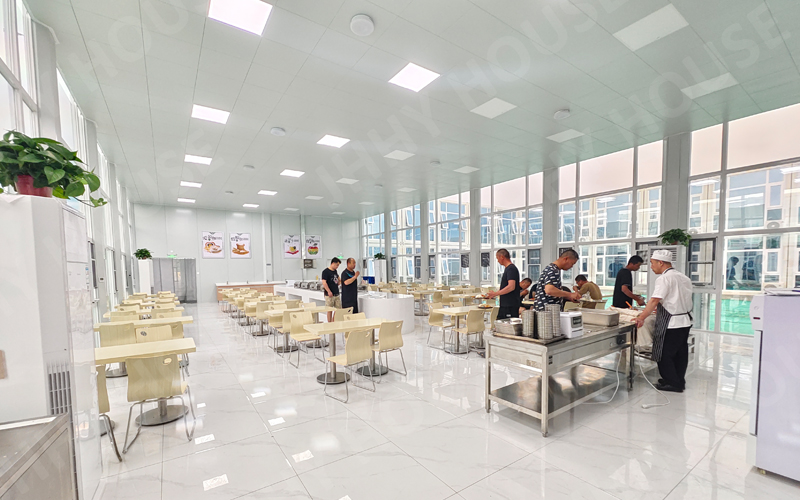
Man verliert sich leicht in einem Foto und einem Preisschild. Doch die wichtigste Frage, die ich neuen Kunden stelle, lautet: „Wofür werden Sie das nutzen?“ Die Antwort verändert alles. Eine Einheit für einen luxuriösen Campingplatz in den Bergen erfordert einen ganz anderen Ansatz als ein temporäres Verkaufsbüro auf einer Baustelle. Erstere benötigt erstklassige Isolierung, hochwertige Innenausstattung und robuste Einrichtungsgegenstände, um Gäste zu beeindrucken und den Witterungseinflüssen standzuhalten. Letztere setzt auf Kosteneffizienz, einfache Bedienbarkeit und leichte Versetzbarkeit.
Das Produkt dem Zweck anpassen
Ich hatte einmal einen Kunden, der ein luxuriöses Glamping-Resort bauen wollte. Er zeigte mir ein Bild einer sehr einfachen, billigen Containereinheit und sagte: „Ich brauche zehn davon.“ Ich musste ihm erklären, dass der Preis zwar verlockend war, seine Gäste aber frieren würden, die Inneneinrichtung schnell verschleißen und die Bewertungen vernichtend ausfallen würden. Gemeinsam entwickelten wir einen neuen Plan mit besserer Isolierung, größeren Fenstern für eine bessere Aussicht und luxuriöseren Badezimmern. Die anfänglichen Kosten waren zwar höher, aber die langfristige Rendite war deutlich größer.
Wie sich Anwendungsfälle auf das Design auswirken
| Projekttyp | Schwerpunkt | Empfohlene Funktionen |
|---|
| Luxus-Resort-Hütte | Gästeerlebnis, Langlebigkeit | Hochwertige Wärmedämmung, erstklassige Innenausstattung, große Fenster, robuste Sanitärinstallationen. |
| Temporäres Büro | Funktionalität, Kosteneffizienz | Standardisolierung, praktisches Layout, grundlegende elektrische Anschlüsse und Datenanschlüsse. |
| Pop-up-Einzelhandelsgeschäft | Visuelle Attraktivität, Mobilität | Einzigartiges Äußeres, große Glasfronten, flexibler Innenraum, einfacher Auf- und Abbau. |
Können lokale Vorschriften Ihr Containerhausprojekt wirklich stoppen?
Sie haben das perfekte Containerhaus gefunden und sind bereit zu bestellen. Doch was, wenn Ihre Gemeinde ablehnt? Wer Vorschriften missachtet, riskiert, dass sein Projekt schon im Keim erstickt wird.
Ja, das ist möglich. Örtliche Vorschriften bezüglich Genehmigungen, Bebauungsplänen, Sanitärinstallationen, Elektrik und Brandschutz sind bindend. Sie müssen diese Anforderungen vor Ihrer Bestellung bei den zuständigen Behörden bestätigen, um zu vermeiden, dass Sie ein Bauwerk erwerben, das Sie nicht legal nutzen oder errichten dürfen.
Dies ist einer der wichtigsten und gleichzeitig am häufigsten übersehenen Schritte. Jedes Land, jedes Bundesland und sogar jede Stadt hat ihre eigenen Vorschriften. Sie können nicht davon ausgehen, dass ein Produkt, das an einem Ort zulässig ist, auch an Ihrem Ort akzeptiert wird. Ich rate meinen Kunden daher immer, sich zunächst nicht an einen Lieferanten, sondern an das zuständige Bauamt zu wenden. Klären Sie genau, welche Voraussetzungen für eine Baugenehmigung für ein Modul- oder Fertigbauteil auf Ihrem Grundstück erfüllt sein müssen. Dieses Gespräch sollte stattfinden, bevor Sie sich eingehend mit der Planung oder den Kosten befassen.
Was Sie bei Ihrer örtlichen Behörde überprüfen sollten
Einmal kam ein Käufer aus Kalifornien mit der Absicht, eine Großbestellung aufzugeben, zu uns. Zum Glück fragte ich ihn in unseren ersten Gesprächen, ob er die örtlichen Brandschutzbestimmungen geprüft hatte. Es stellte sich heraus, dass seine Gegend in einem Gebiet mit hohem Waldbrandrisiko lag, was spezielle, nicht brennbare Außenverkleidungen und besondere Lüftungsöffnungen vorschrieb. Das von ihm gewünschte Standardmodell wäre nicht zugelassen worden. Wir mussten das Außenmaterial durch Faserzementplatten ersetzen, was zwar die Kosten erhöhte, das Projekt aber erst ermöglichte. Hätte er zuerst bestellt und erst später nachgefragt, wäre er auf unbrauchbaren Geräten sitzen geblieben.
Wichtige zu untersuchende Regulierungsbereiche
- Bebauungsplanung: Ist auf Ihrem Grundstück ein freistehendes Wohnhaus oder ein Gewerbegebäude zulässig?
- Baugenehmigungen: Welche Zeichnungen und technischen Zertifizierungen werden benötigt?
- Versorgungsanschlüsse: Welche örtlichen Standards gelten für Strom-, Wasser- und Abwasseranschlüsse?
- Anforderungen an das Fundament: Welche Art von Fundament ist vorgeschrieben (z. B. Bodenplatte, Pfeilerfundament)?
- Brandschutz: Gibt es spezielle Regeln bezüglich Materialien, Fenstern oder Zugängen?
Ist die Innenausstattung wichtiger als das ansprechende Äußere?
Jeder liebt ein Containerhaus, das von außen fantastisch aussieht. Doch eine ungünstige Raumaufteilung kann das Wohnen oder Arbeiten darin frustrierend machen. Verzichten Sie nicht auf Komfort im Alltag, nur um die Optik zu wahren.
Absolut. Ein ansprechendes Äußeres zieht zwar die Blicke auf sich, doch die Raumaufteilung im Inneren bestimmt das tägliche Wohnerlebnis. Ein gut geplanter Raumfluss, eine intelligente Raumaufteilung und die funktionale Platzierung von Möbeln und Geräten machen einen Raum erst wirklich wohnlich und effizient. Ein ungünstiger Raumfluss kann ein ansonsten schönes Design ruinieren.
Ich habe schon so viele Entwürfe gesehen, die auf dem Bildschirm fantastisch aussehen, aber in der Praxis ein Albtraum wären. Der „Fluss“ eines Raumes – wie man sich von einem Bereich zum anderen bewegt – ist entscheidend. Öffnet sich die Badezimmertür direkt in den Wohnbereich? Ist die Küche so eng, dass man nicht gleichzeitig den Backofen und einen Schrank öffnen kann? Das sind die Details, die im Alltag wichtig sind. Ein schönes Haus mit schlechter Raumaufteilung ist wie ein Sportwagen mit einem furchtbaren Lenkrad. Es sieht toll aus, aber die Fahrt macht keinen Spaß.
Die Bedeutung des „Flows“
Wir haben einmal mit einem Kunden zusammengearbeitet, der eine kleine Ferienhütte entwarf. Sein ursprünglicher Entwurf sah ein schönes, großes Fenster an einem Ende vor. Um jedoch vom Bett ins Badezimmer zu gelangen, musste man durch die winzige Küchenzeile gehen. Wir schlugen eine kleine Änderung vor: das Badezimmer neben das Schlafzimmer zu verlegen und die Küchenzeile an die Seite zu stellen. Dadurch entstand ein freier Weg, und der gesamte Raum wirkte logischer und geräumiger, obwohl die Grundfläche gleich blieb. Es sind solche kleinen Anpassungen, die einen Raum von unpraktisch in komfortabel verwandeln.
Gutes Layout vs. schlechtes Layout
| Besonderheit | Gutes Layout | Schlechtes Layout |
|---|
| Küche | Effizientes Arbeitsdreieck (Spüle, Herd, Kühlschrank). | Die Geräte stehen weit auseinander; es gibt zu wenig Arbeitsfläche. |
| Schlafzimmer | Es ist genügend Platz zum Herumlaufen um das Bett herum; der Kleiderschrank ist zugänglich. | Das Bett blockiert ein Fenster; die Tür stößt beim Öffnen gegen das Bett. |
| Wohnbereich | Freier Fußweg; Möbel passen gut. | Der Weg führt mitten durch den Gesprächsbereich; es wirkt beengt. |
| Badezimmer | Die Tür öffnet sich abseits der Hauptsichtlinien. | Die Tür führt direkt in die Küche oder ins Wohnzimmer. |
Vergessen Sie die versteckten Kosten für den Transport Ihres Containerhauses?
Sie haben einen super Preis für Ihr Containerhaus bekommen. Aber haben Sie die Transportkosten einkalkuliert? Diese oft übersehenen Kosten können Ihr Budget schnell verdoppeln und später für eine böse Überraschung sorgen.
Ja, das tun viele Käufer. Die Gesamtkosten umfassen nicht nur den Stückpreis. Sie beinhalten Seefracht, Zollabfertigung, Inlandtransport vom Hafen und Kranarbeiten vor Ort zum Entladen. Eine Unterschätzung dieser Kosten kann Ihr Projektbudget erheblich belasten. Fordern Sie daher immer einen vollständigen Logistikkostenvoranschlag an.
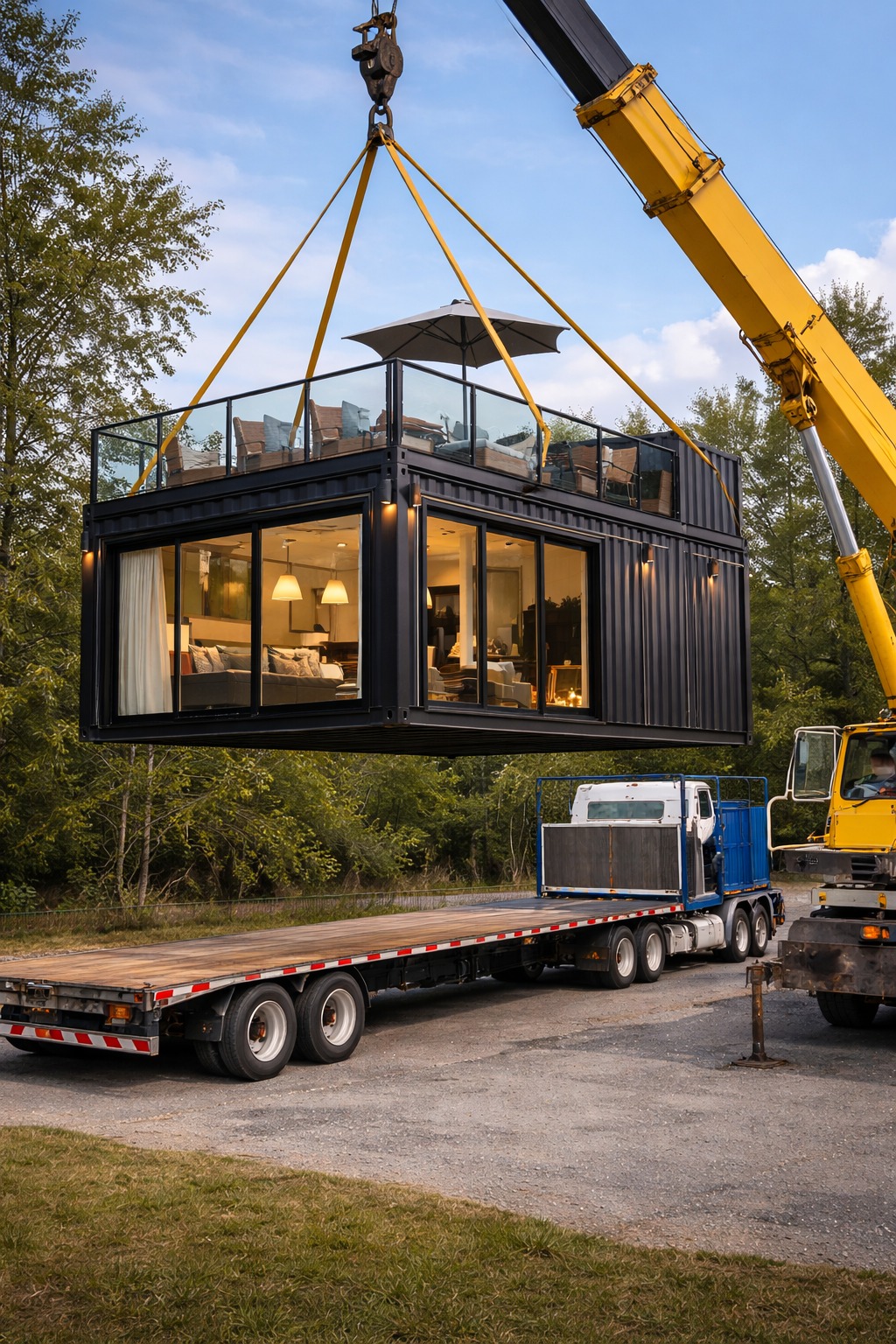
Das ist ein häufiger Schock für Erstkäufer internationaler Projekte. Sie erhalten ein Angebot für das Produkt selbst – den EXW- oder FOB-Preis – und denken, das sei der Hauptkostenfaktor. Doch der Transport einer großen Moduleinheit von unserem Werk in China zu einem abgelegenen Standort in einem anderen Land umfasst mehrere kostspielige Schritte. Stellen Sie es sich wie eine Reise mit mehreren Etappen vor, und jede Etappe hat ihren Preis. Es geht nicht nur um die lange Schiffsreise über den Ozean. Hinzu kommen der LKW-Transport vom Hafen in Ihre Stadt und der Kran, den Sie mieten müssen, um die Einheit vom LKW zu heben und auf Ihrem Fundament zu platzieren.
Von unserem Werk zu Ihrem Standort
Ich versuche immer, meinen Kunden diesbezüglich Klarheit zu verschaffen. Der Produktpreis ist nur der Anfang. Wir helfen Ihnen gerne, die weiteren Kosten zu schätzen, damit Sie ein realistisches Budget erstellen können. Ein Käufer eines Campingplatzes in Australien war schockiert, als die Kosten für den LKW-Transport ins Landesinnere von Sydney fast so hoch waren wie die Seefrachtkosten. Sein Gelände lag in einem abgelegenen Gebiet mit schwieriger Straßenanbindung, weshalb ein Spezial-LKW benötigt wurde. Wir haben mit seinem lokalen Logistikpartner zusammengearbeitet, um dies im Vorfeld zu klären, sodass es in seinem Budget eingeplant war und nicht zu einem Problem wurde.
Beispiel einer Aufschlüsselung der Logistikkosten
| Kostenkomponente | Beschreibung | Wer ist verantwortlich? |
|---|
| Seefracht | Transport vom Ursprungshafen zum Bestimmungshafen. | Käufer (oder wir können es organisieren) |
| Versicherung | Deckt Transportschäden ab. | Käufer (sehr empfehlenswert) |
| Zollgebühren/Abgaben | Steuern und Gebühren, die vom Zielland erhoben werden. | Käufer / Lokaler Makler |
| Hafengebühren | Abfertigungsgebühren im Zielhafen. | Käufer / Lokaler Makler |
| Inland-LKW-Transport | Transport vom Hafen zu Ihrem endgültigen Bestimmungsort. | Käufer |
| Kranservice | Das Gerät vom LKW auf das Fundament heben. | Käufer |
Warum sollten Sie zuerst die Installationsbedingungen Ihres Standorts überprüfen?
Ihre neue Anlage ist eingetroffen. Doch der Kran kann die Baustelle nicht erreichen, oder das Fundament ist noch nicht fertig. Mangelhafte Baustellenvorbereitung führt zu massiven Verzögerungen und unerwarteten Arbeitskosten.
Eine frühzeitige Prüfung der Installationsbedingungen beugt größeren Problemen vor Ort vor. Sie müssen die Zugänglichkeit des Geländes für Lkw und Kräne sicherstellen, ein geeignetes Fundament vorbereiten und qualifizierte Arbeitskräfte sowie das nötige Werkzeug bereitstellen. Wird dies vernachlässigt, kann sich eine einfache Installation in ein kostspieliges und kompliziertes Unterfangen verwandeln.

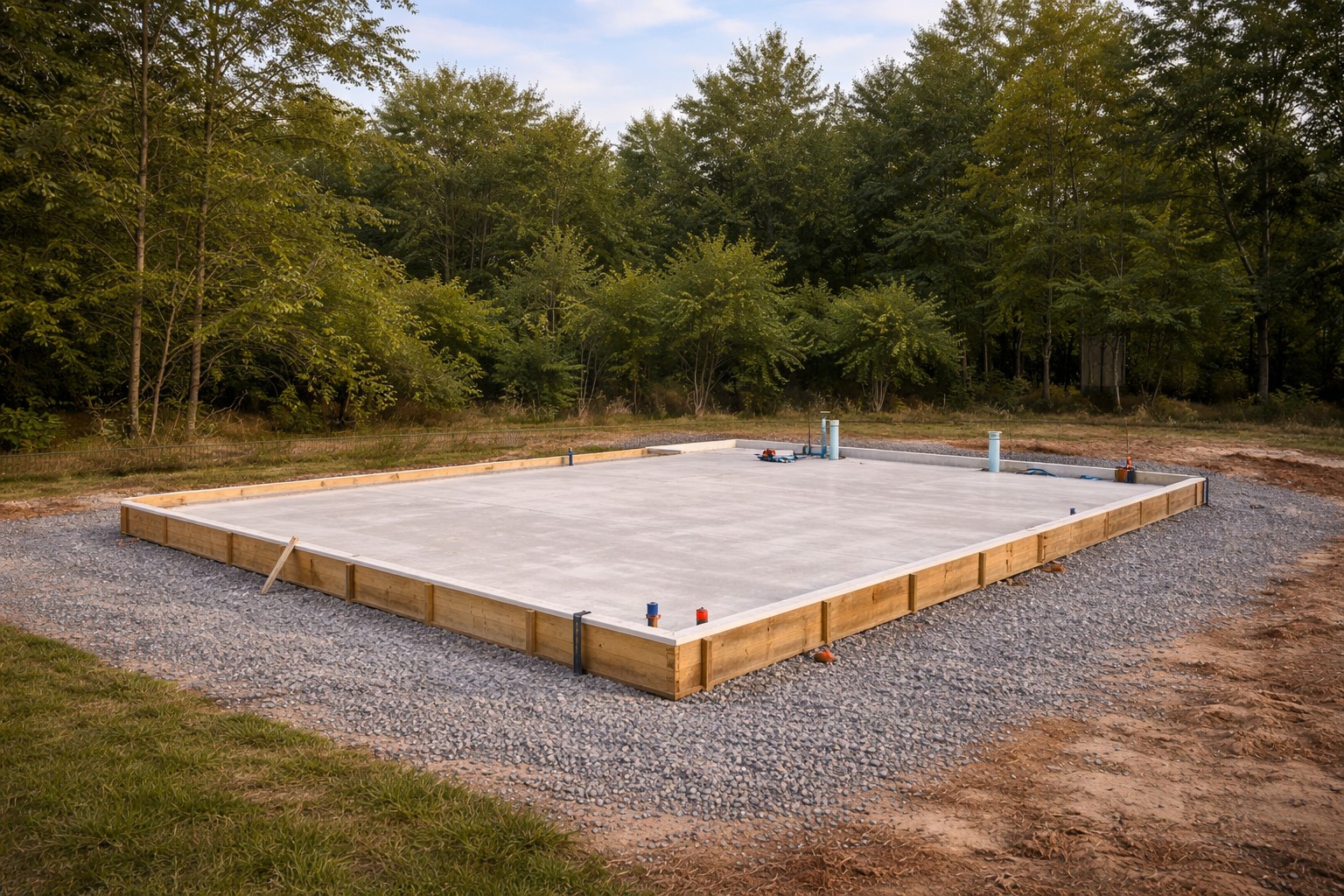
Der letzte und spannendste Schritt ist die Installation. Doch die Vorfreude kann schnell in Frustration umschlagen, wenn das Grundstück nicht vorbereitet ist. Der Lieferwagen muss Ihr Grundstück erreichen können. Ist die Straße breit genug? Gibt es tief hängende Stromleitungen oder Äste? Der Kran benötigt außerdem eine stabile, ebene Fläche, um das Gerät sicher anheben zu können. Und vor allem muss das Fundament absolut eben sein und exakt unseren Vorgaben entsprechen. Jeder Fehler kann Probleme mit Türen, Fenstern und sogar der Statik des Geräts verursachen.
Eine Lektion von einem herausfordernden Ort
Wir hatten einen Kunden, der sich ein Ferienhaus an einem wunderschönen, aber steilen, bewaldeten Hang bauen ließ. Unser Entwurf gefiel ihm sehr, doch ich machte mir Sorgen um die Anlieferung. In mehreren Videogesprächen zeigte er mir mit seinem Handy die schmale Schotterstraße und den geplanten Standort. Wir stellten fest, dass ein großer Lkw die letzte Kurve nicht bewältigen konnte. Daher planten wir, das Modul am Fuße des Hangs abzuladen und es dann mit einem kleineren Geländekran an seinen Bestimmungsort zu bewegen. Das erforderte zwar zusätzliche Planung und Kosten, verhinderte aber ein Desaster am Liefertag. Stellen Sie sich vor, der Lkw wäre stecken geblieben oder der Kran hätte keinen sicheren Platz zum Arbeiten gehabt.
Checkliste für die Installation vor Ort
- Zufahrt: Ist die Straße zum Gelände für einen großen LKW frei (Breite, Höhe und Wendekreis prüfen)?
- Fundament: Ist es vollständig, absolut eben und gemäß den Zeichnungen des Lieferanten errichtet?
- Kranstellplatz: Gibt es eine ebene, stabile Fläche, auf der der Kran aufgestellt werden kann?
- Arbeitspersonal: Haben Sie ein Team engagiert, das weiß, wie man das Gerät entgegennimmt und anschließt?
- Werkzeuge: Haben Sie die notwendigen Werkzeuge, Leitern und Geräte bereit?
- Versorgungseinrichtungen: Sind die Anschlüsse für Wasser, Abwasser und Strom bereit?
Kann ein einheitlicher Dämmstandard wirklich für jedes Klima geeignet sein?
Man geht davon aus, dass ein Standard-Containerhaus überall komfortabel ist. Doch die Nutzung eines für ein mildes Klima konzipierten Containers in einer sehr heißen oder kalten Region führt zu Unbehagen und hohen Energiekosten.
Nein, das ist nicht möglich. Die klimatische Eignung ist entscheidend. Die richtige Isolierung und die passenden Materialien hängen vollständig von Temperatur, Luftfeuchtigkeit und Wetterbedingungen am jeweiligen Standort ab. Ein Gerät für Kanada benötigt andere Spezifikationen als eines für Dubai. Die Verwendung der falschen Isolierung führt zu geringer Leistung und hohen Energiekosten.

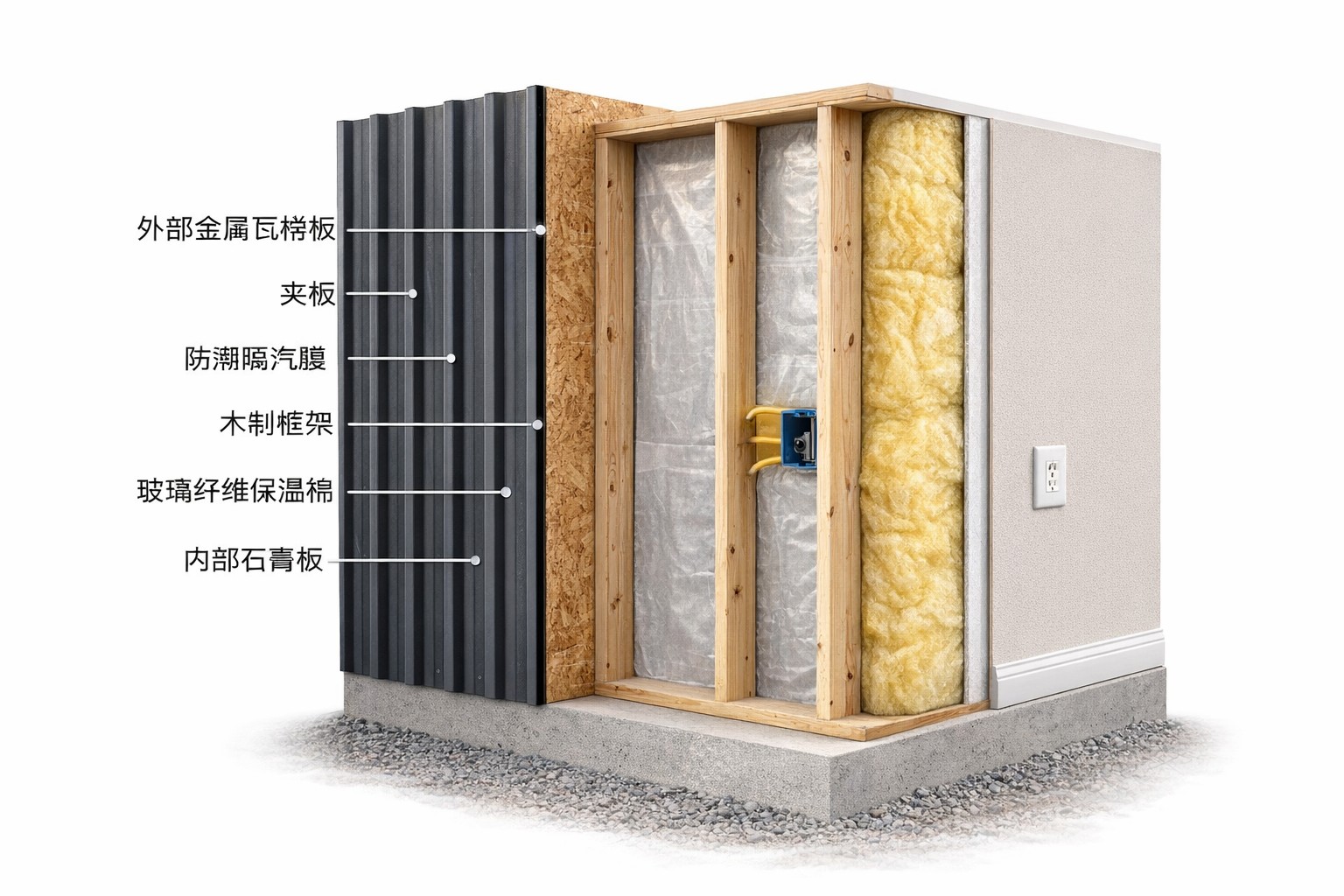
Metall leitet Wärme hervorragend. Das bedeutet, dass ein ungedämmtes oder schlecht gedämmtes Containerhaus im Sommer einem Backofen und im Winter einer Eiskammer gleicht. Die von uns angebotene Standarddämmung mag für ein gemäßigtes Klima ausreichend sein, ist aber für extreme Temperaturen völlig unzureichend. Hier sollte man nicht sparen. Die richtige Dämmung sorgt nicht nur für Komfort, sondern spart Ihnen über die gesamte Lebensdauer des Gebäudes auch erhebliche Heiz- und Kühlkosten. Wir fragen unsere Kunden daher immer nach den lokalen Wetterbedingungen – den höchsten Sommer- und den niedrigsten Wintertemperaturen.
Isolierung individuell an Ihren Standort anpassen
Wir bauen regelmäßig Wohneinheiten für Kunden in Australien und Neuseeland. Für ein Projekt im heißen, feuchten Klima von Queensland setzen wir eine Kombination aus Dämmung und einem belüfteten Dachsystem ein, um die Wärmeaufnahme zu reduzieren. Für ein Projekt in den kalten Bergen nahe Queenstown verwenden wir hingegen deutlich dickere Wandpaneele und hochleistungsfähige Doppelglasfenster, um die Wärme im Inneren zu halten. Die in Queensland übliche Bauweise würde in Queenstown zu einer eiskalten, ungemütlichen Hütte führen. Es ist unsere Aufgabe, die passende technische Lösung für die jeweiligen Gegebenheiten des Kunden zu finden.
Materialauswahl für die Klimatisierung
| Klimatyp | Hauptherausforderung | Empfohlene Isolierung | Weitere Überlegungen |
|---|
| Kalt und schneereich | Wärmeverlust | DickSteinwolleoderPolyurethan-Sprühschaum(Hoher R-Wert) | Doppel-/Dreifachverglasung, thermische Trennung. |
| Heiß und trocken | Wärmegewinn | Reflektierende Folie, Sprühschaum, belüftetes Dach | Helles Dach, beschattete Fenster (Dachüberstände). |
| Heiß und feucht | Hitze und Feuchtigkeit | Geschlossenzelliger Sprühschaum(wirkt als Dampfsperre) | Luftentfeuchteroder leistungsstarke Klimaanlage, feuchtigkeitsbeständige Materialien. |
| Gemäßigt | Mäßige Variation | Steinwolle- oder EPS/XPS-Schaumstoffplatten (ausgewogene Leistung) | Hochwertige Fenster und Wetterdichtung. |
Kostet die Wahl billigerer Materialien Sie langfristig tatsächlich mehr?
Der Versuch, durch die Verwendung billigerer Materialien Geld zu sparen, erscheint zunächst sinnvoll. Dies führt jedoch häufig zu häufigen Reparaturen, geringer Haltbarkeit und einer schlechten Benutzererfahrung, was Sie auf lange Sicht mehr kostet.
Ja, das ist häufig der Fall. Zwar senken preisgünstige Materialien den Anschaffungspreis, können aber langfristig zu höheren Kosten für Wartung, Reparaturen und Ersatz führen. Investitionen in langlebige, hochwertige Materialien verlängern die Lebensdauer, erhöhen die Kundenzufriedenheit und schützen Ihre Investition, wodurch die Gesamtbetriebskosten sinken.

Es ist verlockend, ein Angebot zu prüfen und sich zu fragen: „Wie können wir das günstiger gestalten?“ Natürlich gibt es immer Möglichkeiten. Wir könnten dünneres Stahlblech, günstigere Fenster, einfachen Laminatboden anstelle von strapazierfähigem SPC oder minderwertigere Sanitärarmaturen verwenden. Das senkt zwar den Anfangspreis, ist aber fast immer ein Fehler, insbesondere bei gewerblichen Projekten wie Ferienwohnungen oder Hotels. Ein billiger Wasserhahn, der nach wenigen Monaten kaputtgeht, ein Bodenbelag, der leicht verkratzt, oder ein undichtes Fenster verursachen letztendlich deutlich höhere Reparaturkosten, Mietausfälle und negative Bewertungen, als Sie anfänglich gespart haben.
Die wahren Kosten von „billig“
Ich hatte einen Kunden, der mehrere Mietwohnungen entwickelte. Um seinen anfänglichen Gewinn zu maximieren, bestand er auf den günstigsten Optionen. Ein Jahr später rief er mich an. Er gab ein Vermögen für Instandhaltung aus. Der Bodenbelag löste sich ab, die Scharniere der Schränke waren kaputt und die Farbe blätterte ab. Für die nächste Bauphase entschied er sich für unser höherwertiges Paket. Er hatte gelernt, dass Langlebigkeit im Vermietungsgeschäft kein Luxus, sondern eine Grundvoraussetzung für Rentabilität ist. Die Investition in hochwertige Materialien zahlt sich durch geringeren Wartungsaufwand und zufriedenere Kunden aus.
Kurzfristige Einsparungen vs. langfristige Kosten
| Komponente | Günstigere Option | Hochwertigere Option | Langfristige Folgen der günstigeren Option |
|---|
| Bodenbeläge | Basislaminat | SPC- oder LVP-Bodenbeläge | Verkratzt leicht, ist anfällig für Wasserschäden und muss frühzeitig ersetzt werden. |
| Windows | Einfachverglasung Aluminium | DoppelverglasungLow-E-Vinyl/Aluminium | Hohe Energiekosten, Kondensation, mangelhafte Schalldämmung. |
| Schränke | Spanplatte niedriger Dichte | Sperrholz oder MDF mit guter Oberflächenbehandlung | Scharniere lockern sich, Oberflächen splittern ab, anfällig für Feuchtigkeit. |
| Einrichtungsgegenstände | Einfacher verchromter Kunststoff | Massives Messing oder Edelstahl | Läuft aus, bricht leicht, die Beschichtung nutzt sich ab, häufiger Austausch erforderlich. |
Wann ist die Anpassung für Ihr Projekt hilfreich und wann schadet sie?
Sie möchten jedes Detail individuell anpassen, um ein perfektes Ergebnis zu erzielen. Übermäßige oder kurzfristige Änderungen können jedoch zu Verwirrung, Produktionsverzögerungen und einem erhöhten Fehlerrisiko führen.
Anpassungen sind dann hilfreich, wenn sie frühzeitig geplant und klar auf die spezifischen Projektanforderungen abgestimmt sind. Häufige, unklare oder erst spät im Prozess eingeführte Änderungen sind hingegen kontraproduktiv. Dies kann zu verlängerten Designphasen, Produktionsverzögerungen und Kommunikationsproblemen führen und somit den Projektzeitplan gefährden.
Eine unserer größten Stärken ist unsere Fähigkeit zur individuellen Anpassung. Wir können Layouts verändern, Fenster verschieben und verschiedene Materialien auswählen, um die Vision und Bedürfnisse unserer Kunden perfekt umzusetzen. Das ist fantastisch, wenn das Projekt dadurch besser zum Standort oder zur Zielgruppe passt. Allerdings hat die individuelle Anpassung auch eine Schattenseite. Wenn ein Kunde unentschlossen ist oder nach der Fertigstellung des Designs ständig Änderungen vornimmt, kann das das gesamte Projekt ins Chaos stürzen. Jede Änderung, egal wie klein, erfordert neue Zeichnungen, aktualisierte Materiallisten und Anpassungen im Produktionsplan. Das kostet Zeit und erhöht das Fehlerrisiko.
Unser Prozess für eine reibungslose Anpassung
Der Schlüssel zu einer erfolgreichen Individualisierung liegt in einem strukturierten Prozess. Wir begleiten unsere Kunden durch eine Designphase, in der wir alle Optionen ausloten. Wir erstellen Zeichnungen und Renderings und überarbeiten diese so lange, bis der Kunde vollkommen zufrieden ist. Anschließend bitten wir ihn um seine Freigabe der finalen Zeichnungen. Dieser „Design-Lock“ ist ein entscheidender Moment. Er signalisiert unserem Produktionsteam, dass es nun die Fertigung übernehmen und exakt das umsetzen kann, was auf dem Papier steht. Möchte ein Kunde beispielsweise ein Fenster versetzen, nachdem die Wandpaneele bereits gefertigt wurden, verursacht dies erhebliche Verzögerungen und Kosten. Wir sind flexibel, arbeiten aber gleichzeitig diszipliniert, um den Projektzeitplan und das Budget einzuhalten.
Standard vs. Individuell: Die Vor- und Nachteile
| Aspekt | Standardmodell | Vollständig individualisierbares Modell |
|---|
| Vorteile | Schnellere Lieferung, niedrigere Kosten, bewährtes Design. | Perfekt auf Ihre Bedürfnisse zugeschnitten, einzigartiges Design. |
| Nachteile | Ist möglicherweise nicht optimal für Ihren speziellen Anwendungsfall geeignet. | Längere Entwicklungs-/Produktionszeit, höhere Kosten, Risiko von Fehlern bei Änderungen. |
| Am besten geeignet für | Projekte, die Schnelligkeit und Kosteneffizienz erfordern. | Einzigartige Projekte mit spezifischen Standort- oder Markenanforderungen. |
Ist das Produkt selbst wichtiger als der gewählte Lieferant?
Sie konzentrieren sich nur auf die Produktspezifikationen und den Preis. Doch was passiert, wenn der Lieferant schlecht kommuniziert, Liefertermine verpasst oder ein mangelhaft verpacktes Produkt versendet? Ein unzuverlässiger Partner kann ein gutes Produkt ruinieren.
Nein, beides ist gleichermaßen wichtig. Ein zuverlässiger Lieferant gewährleistet klare Kommunikation, präzise Produktion, ordnungsgemäße Qualitätskontrolle, sichere Verpackung und reibungslose Exportlogistik. Ein hervorragendes Produkt von einem unzuverlässigen Lieferanten kann zu Verzögerungen, Beschädigungen und endloser Frustration führen. Die Kompetenz Ihres Partners ist der Schlüssel zum Erfolg.
Ich habe das schon erlebt. Ein Käufer findet einen Lieferanten mit einem sehr niedrigen Preis und einem optisch ansprechenden Produkt. Er bestellt, und dann fangen die Probleme an. E-Mails bleiben tagelang unbeantwortet. Der Produktionstermin wird immer wieder verschoben. Wenn das Produkt endlich versendet wird, ist es schlecht verpackt und kommt mit zerbrochenen Fenstern und zerkratzten Wänden an. Der Käufer hat zwar 10 % gespart, aber am Ende ein beschädigtes Produkt, ein verzögertes Projekt und jede Menge Ärger. Das Produkt ist nur ein Teil des Ganzen. Der Service, die Kommunikation und die Expertise des Lieferanten sind entscheidend für den Erfolg des gesamten Projekts.
Was macht einen Lieferanten „zuverlässig“?
Ein guter Lieferant ist ein Partner, nicht nur ein Händler. Er sollte sich wie ein Teil Ihres eigenen Teams anfühlen. Er kommuniziert klar und proaktiv. Er verfügt über einen soliden Qualitätskontrollprozess und zeigt Ihnen gerne Fotos und Videos vom Bau und der Prüfung Ihres Geräts. Er kennt sich mit internationalem Versand aus und weiß, wie man ein Gerät so verpackt, dass es eine lange Reise über den Ozean unbeschadet übersteht. Letztes Jahr hatten wir einen Kunden, der wegen des Versands sehr besorgt war. Deshalb haben wir für seine Bestellung detaillierte Videos vom gesamten Verladeprozess aufgenommen und gezeigt, wie jedes einzelne Teil im Container gesichert wurde. Das hat ihm große Sicherheit gegeben.
Checkliste zur Lieferantenbewertung
- Kommunikation: Reagieren sie schnell und klar? Sprechen sie Ihre Sprache gut?
- Erfahrung: Können sie Ihnen Beispiele ähnlicher Projekte zeigen, die sie in Ihre Region exportiert haben?
- Transparenz: Sind sie bereit, Produktionsaktualisierungen, Fotos und Inspektionsberichte zu teilen?
- Qualitätskontrolle: Verfügen sie über einen klaren Qualitätskontrollprozess?
- Verpackung & Logistik: Haben sie Erfahrung mit Exportverpackung und -verladung?
Warum ist das günstigste Angebot oft die teuerste Wahl?
Das extrem niedrige Angebot wirkt unglaublich verlockend. Doch oft verbergen sich dahinter minderwertige Materialien, Abstriche bei der Qualität und ein nicht vorhandener Kundendienst, was später zu deutlich höheren Kosten führt.
Das günstigste Angebot geht oft mit Abstrichen bei Materialqualität, Baustandards, Dämmung oder Serviceleistungen einher. Dies führt langfristig zu höheren Kosten für Wartung, Reparaturen und Energie. Die beste Option bietet das beste Gesamtpaket und vereint Preis, Qualität, Langlebigkeit und Kundenservice.
Dieser letzte Punkt bringt alles auf den Punkt. Ein erfahrener Käufer weiß, dass der Angebotspreis nicht der Endpreis ist. Die wahren Kosten umfassen Wartung, Reparaturen, Energiekosten und den Zeit- und Nervenaufwand, den Sie mit der Behebung von Problemen haben. Ein Angebot, das 20 % günstiger ist als alle anderen, sollte Sie stutzig machen, nicht zum Jubeln verleiten. Woher kommen diese 20 %? Höchstwahrscheinlich von dünnerem Stahl, weniger Dämmung, billigeren Fenstern oder einer mangelhaften Qualitätskontrolle. Diese 20 % Ersparnis werden Sie später teuer bezahlen, das garantiere ich Ihnen.
Mehr als nur der Stückpreis
Beim Vergleich von Angeboten ist es wichtig, den Leistungsumfang zu vergleichen. Ist der Preis für die gleiche Dämmstufe, die gleiche Fensterqualität und den gleichen Bodenbelag angemessen? Bietet ein Anbieter eine detaillierte Verladeüberwachung, während der andere die Ware einfach nur ab Werk liefert? Ziel ist nicht der günstigste Preis, sondern das beste Preis-Leistungs-Verhältnis. Dieses ergibt sich aus einem fairen Preis, guter Qualität, einem langlebigen Produkt und einem zuverlässigen Partner, der Sie während des gesamten Prozesses unterstützt. So sichern Sie sich ein erfolgreiches Projekt und eine gute Rendite Ihrer Investition.
"Günstiges Angebot" vs. "Wertangebot"
| Faktor | Das "billige" Angebot | Das "Wert"-Angebot |
|---|
| Materialien | Nutzt die kostengünstigsten verfügbaren Optionen. | Bietet ein ausgewogenes Verhältnis zwischen Kosten, Langlebigkeit und Leistung. |
| Isolierung | Für das Klima minimal oder unzureichend. | Für den Standort des Kunden korrekt angegeben. |
| Qualitätskontrolle | Eingeschränkt oder nicht existent. | Mehrpunkt-Inspektionsprozess mit Berichten. |
| Service | Langsame Kommunikation, begrenzte Unterstützung. | Proaktive Kommunikation, partnerschaftlicher Ansatz. |
| Langfristige Kosten | Hoch (Reparaturen, Energiekosten, vorzeitiger Austausch). | Geringer Wartungsaufwand (minimaler Wartungsaufwand, effizient, lange Lebensdauer). |
Abschluss
Letztendlich geht es bei einem erfolgreichen Projekt nicht um den niedrigsten Preis. Es geht um die optimale Projektabwicklung, eine effiziente Umsetzung und langfristigen Mehrwert. Wählen Sie einen Partner, der alle drei Kriterien erfüllt.